
Fashion Without Borders: Global Style Trends

Global fashion trends are exhibiting a dynamic convergence, profoundly influenced by macroeconomic and technological changes, and reflecting the evolution of consumer values. With the deepening of economic globalization, the globalization of fashion has become increasingly prominent. This is manifested in two aspects: First, fashion is increasingly developing comprehensively in all countries and regions of the world, becoming a global lifestyle and socio-cultural phenomenon. Entering the 21st century, in addition to traditional countries like Europe, America, and Japan, more and more emerging economies have begun to develop the fashion industry and manufacture fashion products, such as South Korea, Brazil, Russia, and China. This is due to both the rapid advancement of economic globalization and the significant increase in the purchasing power of residents in these countries.
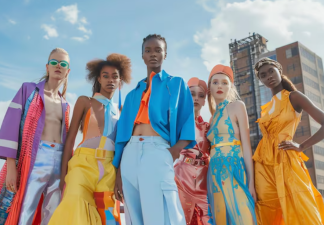

Key Trends:

  • Retro-Futurism: Perfectly blending retro elements of the 1970s with modern technology, flared pants and wide-shouldered designs paired with metallic fabrics have become designers' favorites. This style retains classic charm while showcasing an avant-garde attitude.
  • Bold Color Combinations: Say goodbye to the dullness of black, white, and gray; Spring/Summer 2025 encourages trying color-blocking combinations. From neon green to dreamy pink, from electric blue to passionate orange, bold color clashes will become the most eye-catching sight on the streets.
  • Minimalism Returns: In contrast to elaborate designs, simple and clean cuts are regaining popularity. Clean lines, sophisticated basic colors, and a design philosophy that emphasizes fit showcase a mature fashion sense.
  • Sustainable Fashion: Environmental protection concepts are deeply integrated into the fashion industry, with natural fabrics, renewable materials, and recycled designs becoming new trends. Consumers are increasingly concerned about the production process and material sources of clothing.
Fashion experts suggest that while following trends, consumers should choose items that suit their own style and body type to create a unique personal fashion style.

Fashion and the Economy

The uncertainty of the global economic outlook continues to impact the fashion industry. Consumer confidence fluctuates due to geopolitical and financial challenges, requiring brands and retailers to adopt more flexible response strategies.
Meanwhile, the urgency of the climate crisis is driving the industry to accelerate sustainable development, and upcoming legislation in regions such as the EU requires brands to reform their business models and enhance supply chain resilience.
Changes in consumer behavior are particularly significant. As global travel recovers to pre-pandemic levels, shopping has become an integral part of travel, leading to increased demand for resort fashion and outdoor sportswear styles (such as Gorpcore), further blurring the lines between functionality and style. In marketing, consumers are less reliant on traditional KOLs, preferring authentic and approachable creators; brands need to adjust their collaboration strategies to build emotional connections.
Technological innovation is reshaping design processes, with generative artificial intelligence being used to rapidly generate ideas and accelerate product development, becoming a key driver of industry change. Furthermore, competition in the fast fashion sector is intensifying, with platforms like Shein and Temu reshaping the market landscape through price and speed advantages.
On the design front, aesthetic trends such as layering techniques and sequin elements emphasize individual expression, blurring the lines between runway and everyday wear. However, it's crucial to avoid a bulky look through clean cuts and emphasized waistlines. These trends collectively reflect the fashion industry's exploration of a balance between globalization and localization.